
When planning a corporate event, the design of the room has a big effect on how well people stay focused. The shape of the space, how the light works, and even the way chairs are placed all add up to either help or distract. We tend to notice these details only when something feels off, like flickering lights, noisy spaces, or stiff seating. But when a room just works, people often stay focused without much effort.
In Norwalk, CT, early spring makes it easier to work with both natural light and fresh air. March mornings can still be cold, but by mid-afternoon, longer days offer just enough sun and warmth. At LaKota Oaks, that can mean using one of 20 conference rooms with flexible layouts and natural light in most spaces to support that focused feel. As we plan for spring events, it’s a good time to think about how room setups affect energy and attention. Choosing a corporate event space with the right setup makes it easier for everyone to stay on task, talk clearly, and get more out of each meeting.
How Lighting Affects Attention
Light plays a big role in how alert or distracted people feel during a meeting. We notice it immediately, even if we don’t name it out loud. When a room has the right kind of light, it’s easier to think clearly and listen carefully.
Here’s what we watch for when planning lighting in meeting areas:
- Natural light is best when it’s available, especially during long meetings. It helps reduce eye strain and keeps people from getting too sleepy.
- Overhead lights should be even and steady, without flickering or harsh shadows. Soft white lights work better than bright, cool tones.
- Lights that dim or adjust make it easier to shift between full group talks and small team work.
Spring weather in Connecticut brings more daylight, which helps brighten rooms naturally. Still, it’s smart to balance that with flexible fixtures in case clouds roll in or the sun hits the windows too directly. The atmosphere created by balanced lighting can help attendees feel invigorated early in the day and relaxed but alert in the afternoon. When these elements are in harmony, meetings flow seamlessly.
Room Layout That Keeps People Engaged
The setup of tables and chairs can either support attention or make a meeting feel like a chore. If people can’t see each other or feel boxed in, it’s harder to stay tuned in. A layout that encourages discussion and movement can help people stay interested longer.
Layouts that work for attention often include:
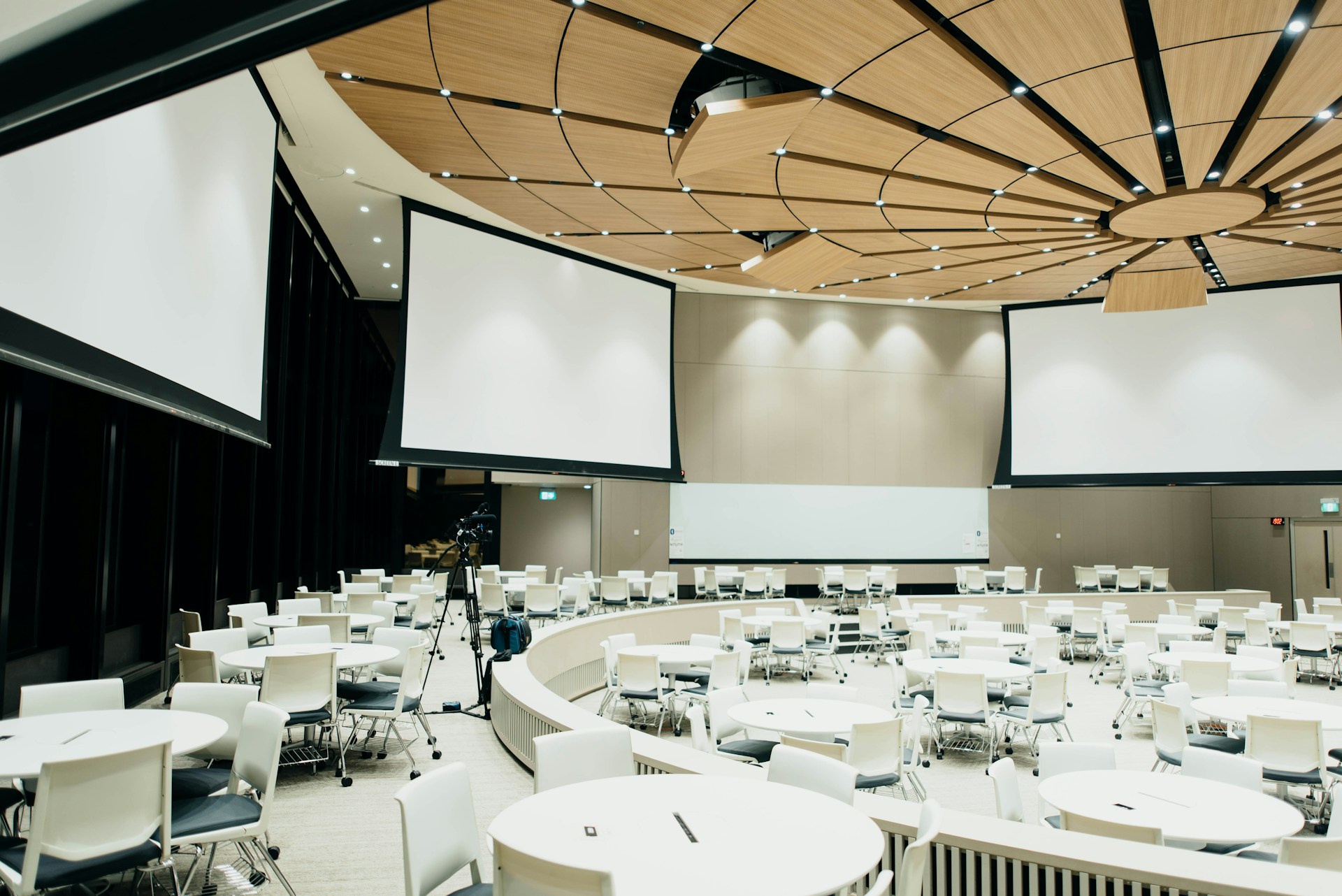
- U-shaped or round seating so everyone can see each other and the speaker without twisting or turning
- Spaced-out chairs, instead of rows packed tightly together, to help people feel relaxed and less fidgety
- Clear walkways, so people can get up for a break or shift to another section without squeezing or backtracking
These small design moves help remove the mental clutter that can build up during a full day of talking and listening. Creating layouts like these makes it easier for all attendees to take part, ask questions, or simply listen without feeling separated from the group. Movement within the space should happen naturally, allowing people to interact with the environment as the meeting progresses.
Using Sound to Support Clear Thinking
Sound affects focus just as much as light or layout. If a room is too loud or too quiet, people get distracted or start to zone out. The right kind of sound balance will keep things running smoothly without people needing to strain to hear.
When choosing or setting up a space, we consider:
- Good soundproofing between rooms, so hallway chatter or nearby setups don’t break people’s train of thought
- Speakers or microphones that let people talk without yelling, which helps keep energy levels steady
- Soft surfaces like rugs, curtains, or padded chairs that soak up echoes and reduce sharp or scratchy sounds
A space that supports clear sound helps everyone stay involved without getting annoyed or tired. With good sound control, people feel more present and less likely to check out early due to auditory fatigue. Setting up technology for both small group discussions and larger presentations ensures that no one misses important points or has to repeat information. The right sound environment also helps minimize interruptions, so speakers can deliver messages with confidence.
Materials and Color Tones That Calm
The physical feel of a room, what it looks like and what it’s made from, plays a quiet but key role in how focused people feel. Harsh colors or cold furniture can make it harder for people to stay present. More natural elements, meanwhile, put our minds at ease.
Spaces that hold attention better tend to have:
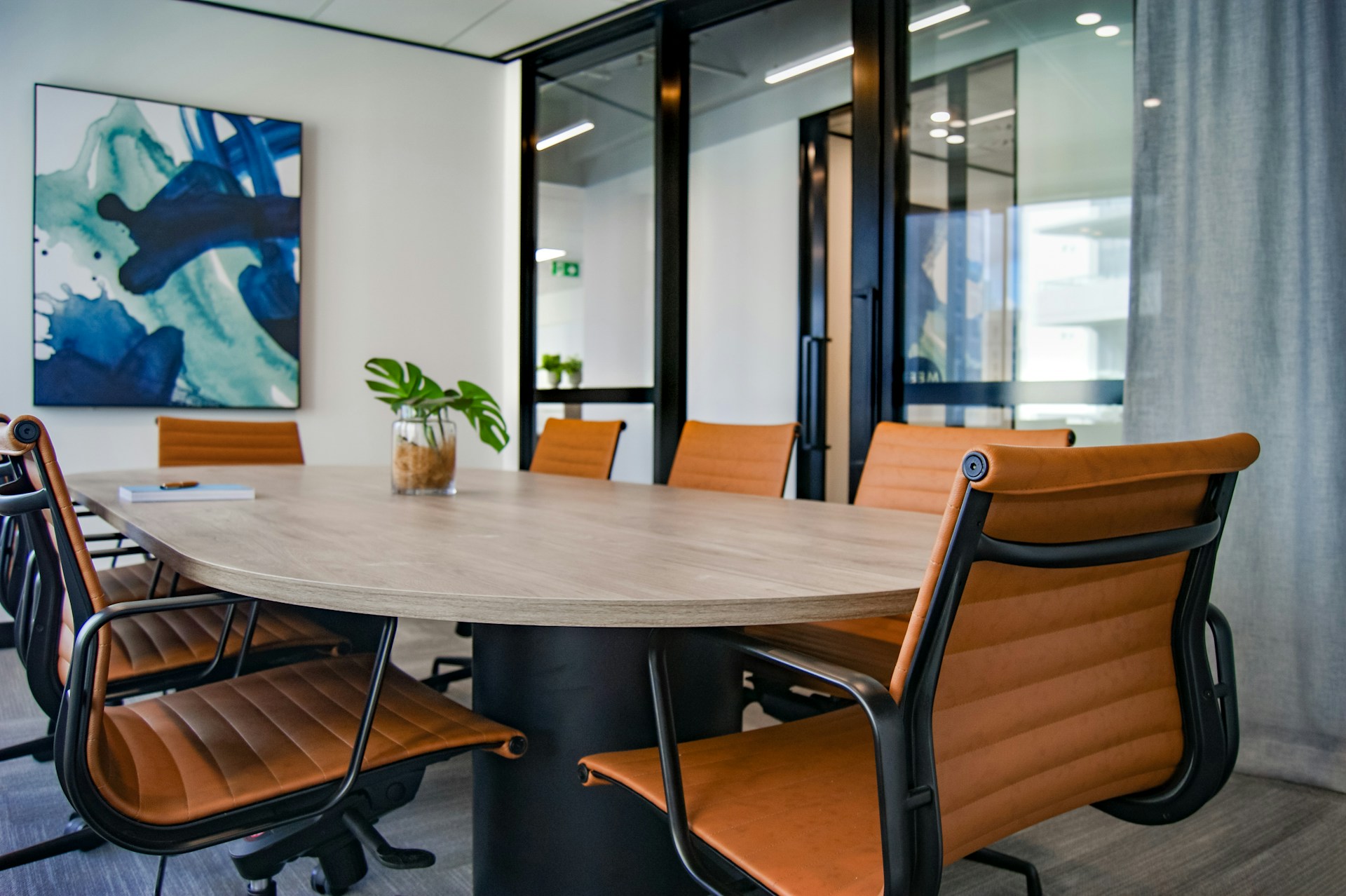
- Tables and chairs in neutral colors or with smooth, wood-like finishes that feel warm instead of cold
- Light gray, beige, or soft green walls that are easy on the eyes and calming during back-to-back talks
- Plants or small greenery that give the space a fresh, lived-in feeling without being distracting
By helping people feel calm and collected, the room gives them one less thing to think about during a long day of meetings. Incorporating these types of materials and color palettes communicates a sense of care and intention, making the environment just as supportive as the meeting agenda. Even simple touches, like comfortable seating or natural textures, can leave a positive impression that lasts far beyond the meeting itself.
Choosing the Right Zones Inside a Corporate Event Space
A single room doesn’t have to do only one thing. The best spaces let people shift gears, move around, or take a break without leaving the area completely. Different zones inside one corporate event space can make a big meeting feel more relaxed and manageable. In a venue with 26,000 square feet of multi-function, IACC-certified event space, it is easier to create these zones without making the room feel crowded.
We usually break spaces into a few clear zones:
- Quiet areas where people can pause after a group talk, check notes, or reset
- Comfortable teamwork spots with soft chairs and writable boards where smaller groups can talk things out
- Larger open sections that don’t require changing rooms to switch between activities
Separating space within the same room adds rhythm to the day without making it feel too stop and go. Creating distinct spaces for different activities, whether it’s brainstorming, casual conversation, or solo work, ensures that every attendee finds the right pace and energy for their needs. This simple strategy also prevents people from feeling overwhelmed by a single, unchanging environment over many hours.
Designed to Keep the Mind Clear
A good meeting space shouldn’t draw attention to itself. When the lighting, sound, seating, and design all feel natural, it sets the tone for people to think clearly and stay involved. These kinds of rooms don’t just look nice, they help people feel comfortable enough to keep working without losing focus.
As we move into early spring and start planning events again, we lean into setups that welcome natural light, reduce clutter, and keep attention where it needs to be. A well-designed space can’t solve everything, but it sure lowers the number of things getting in the way. When the room helps take care of comfort and flow, we’re able to focus more on the meeting itself. A meeting might only last a few hours, but the effects of a well-orchestrated space can carry over, leading to better outcomes and more satisfied attendees in the weeks that follow. Pausing to reflect on these details while planning helps create events that stand out for all the right reasons.
Plan your meeting this spring in a setting that makes a difference. At LaKota Oaks, we’ve seen how thoughtful layouts, natural light, and flexible setups keep teams energized throughout the day. Whether you’re hosting a roundtable brainstorm or a multi-day conference, our corporate event space in Norwalk, CT helps bring clarity and focus to your gathering. Reach out to us to start planning your productive event.