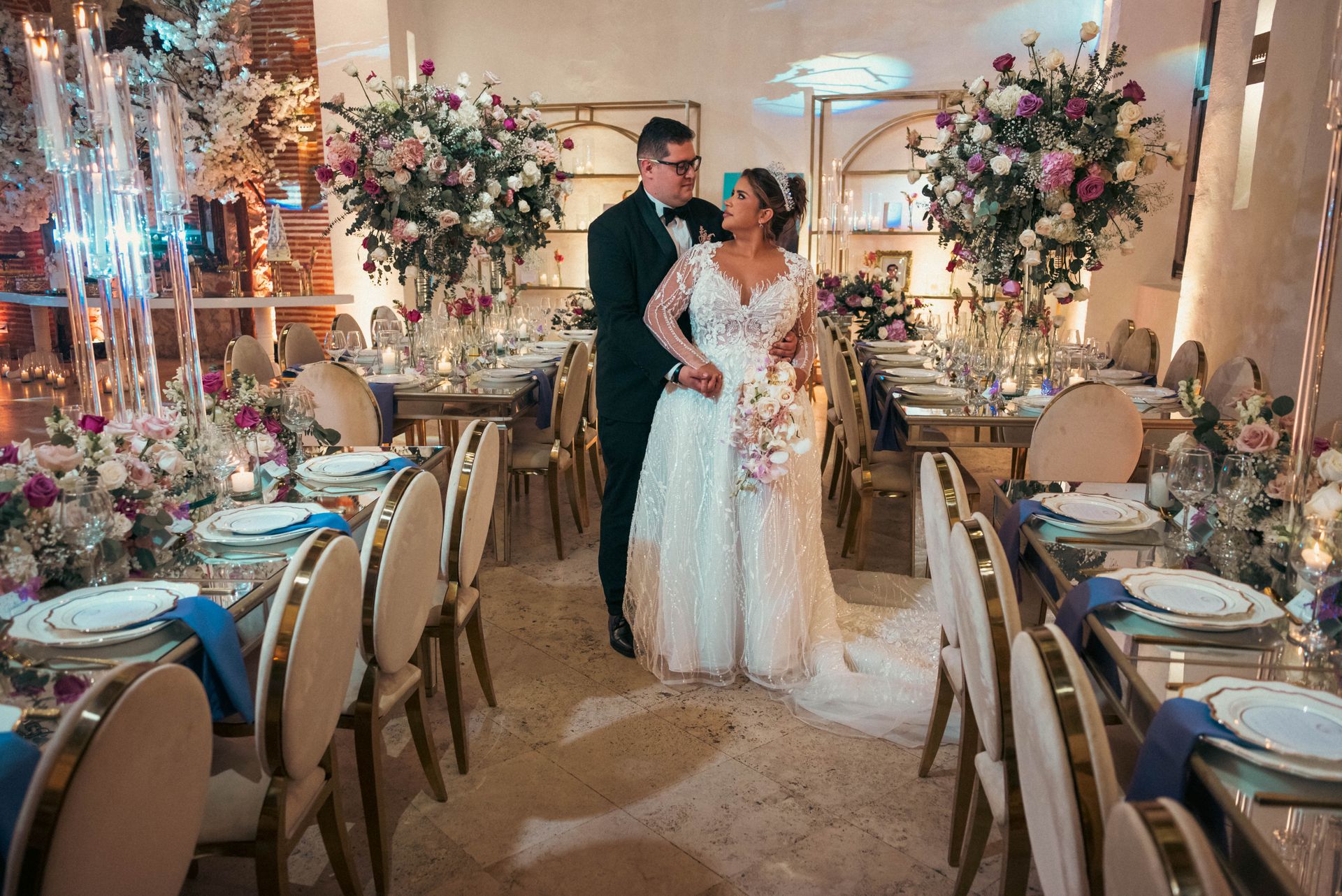


Planning an event in a smaller space? It can be a great way to create an intimate, focused experience. But one of the trickier parts of using a compact space is managing the sound. Whether you’re hosting a networking mixer, a holiday get-together, or a small wedding reception, poor sound control can quickly distract guests and throw off the mood. Awkward echoes, loud chatter bouncing off the walls, or uneven sound from speakers can take away from the experience you’re trying to create.
If you’re considering event space rental in Norwalk, making sure the environment sounds as good as it looks should be high on your list. Especially going into November, when the weather cools, most events tend to shift indoors. That means your audio setup and surroundings need to do some extra work. From handling crowd noise to dealing with how sound reflects off walls and floors, a little bit of planning can go a long way in making small spaces sound smart, not stressful.
Understanding Sound Challenges in Small Event Spaces
Sound can behave oddly in small areas, especially when there are hard surfaces like glass, concrete, or hardwood floors. These materials reflect sound instead of absorbing it. That turns even moderate conversations into background noise that bounces around the room. Add music, clinking glasses, or someone speaking without a mic, and your guests may find it hard to focus or hear clearly.
In Norwalk, colder months mean most events happen indoors. That’s when sounds get trapped more easily, and rooms can start to feel louder than they are. Event spaces in older buildings also may not come with built-in sound treatment, which leads to even more challenges.
Here are just a few common sound issues that pop up in small event setups:
– Echoes and reverberation from hard floors and walls
– Difficulty hearing speakers over background noise
– Uneven sound volume depending on where guests are seated
– Outside noise filtering is due to poor insulation
– Feedback from poorly placed microphones or speakers
Some of the challenges might come from the room shape itself. Narrow corners or low ceilings can cause sound to bounce in odd directions. If you’re using a venue in Norwalk with local charm like wood finishes or open brick walls, those features might look great but can complicate sound control if nothing is done to soften the environment.
Strategic Layout and Furniture Placement
Once you understand where sound problems can start, the next step is using your space wisely. The way tables, chairs, and decor are arranged has a bigger impact than most people expect. Simple layout decisions can either allow sound to move freely or stop it from overwhelming the room.
Here’s how smart layout choices can help:
1. Use soft furniture in key areas
Sofas, soft chairs, and even fabric-covered benches can help soak up some sound. Place these against walls or in areas where guests will gather to reduce echo.
2. Add rugs, curtains, or acoustic room dividers
Thick fabrics help stop sound from bouncing all over. Even placing area rugs under open seating and adding full curtains over windows can help create a quieter space.
3. Avoid square, boxy setups
Spread seating into circular or offset arrangements instead of placing everything in squares or rows. This breaks up sound waves and keeps things from getting too noisy in one spot.
4. Manage the gaps
Keeping an even space between key setups like the bar, food station, and speaker’s podium can prevent too much sound from building up where it’s not wanted.
Think about spacing as a natural way to split up the sound zones. If the people speaking end up right next to the crowd chatting at the snack table, there’s no clean way for sound to travel. The solution isn’t always more gear. Sometimes, just pulling a couch out from the wall or adding an extra rug does the trick.
Acoustic Enhancements and Solutions
Once your layout supports better sound flow, it’s worth exploring ways to improve how the space handles sound overall. This doesn’t mean turning your event into a high-tech production. But adding a few smart tools can help reduce echo, manage noise, and improve how your audio feels throughout the room.
You don’t need to permanently change the space to get real results. Temporary acoustic solutions can make a big difference when used the right way. Here are a few ideas to consider:
– Acoustic panels: These absorb sound and are easy to place on walls temporarily. They come in soft textures and sizes, so they don’t have to change the look of the room.
– Ceiling clouds: These fabric-covered panels hang above the space and help absorb sound from above. They work great in rooms with tall ceilings.
– Wall hangings and drapes: Even decorative banners or curtains can help soften noise and reduce bounce from bare walls.
– Sound-absorbing partitions: Portable dividers can help break the room into smaller, quieter zones and reduce background chatter.
– Sound masking systems: These play low-level ambient noise to make conversations feel more private and help mask distracting background sounds.
Small changes like these can make a surprising difference in a space that wasn’t initially designed for great acoustics. One planner in Norwalk used blackout curtains layered with linen to double as decor behind a DJ booth. It looked elegant and helped block sound bounce from the windows.
Choosing the Right Audio Equipment
Gear might seem like overdoing it for a smaller event, but it matters more than people realize. Even the best layout and soundproofing plans won’t matter if your microphone cuts in and out or your music sounds muffled. Picking the right equipment makes the setup more reliable.
Start with the basics:
– Handheld or clip-on microphones that are clear and easy to use
– Wireless gear to avoid extra wires in walkways
– Compact speakers designed for focus, not volume
– A simple soundboard to manage everything from one place
One of the best steps you can take is a walking sound check before the event starts. Play some music or speech and walk to different spots. Is one part too loud and another barely audible? That’s your clue to move a speaker or tweak the volume. Try the mics at different points in the room, too.
And don’t feel like you have to be the expert. Getting help from a sound tech, even just for the setup, can save you trouble later. They know how to tune gear for rooms of all kinds and can help you avoid last-minute surprises.
Practical Tips for Event Coordinators
Managing sound doesn’t stop once it’s set up. How the event runs makes a difference too. Good event flow helps prevent sound issues, and clear coordination keeps noise under control.
Here are a few tips that go a long way:
1. Do a test run if you can. Even with just your team, it helps flag any sound issues before guests arrive.
2. Work with vendors on placement. Avoid putting noisy food prep areas near speakers or quiet corners.
3. Give someone the job of monitoring sound. That person can make small volume changes without delays.
4. Spread out noisy and quiet activities. Don’t put a toast right after a loud interactive game. Give guests a moment to refocus.
5. Let guests know what to expect. A simple announcement about when speaking segments happen can help keep things smooth and respectful.
Clear communication leads to fewer bumps. If a DJ knows your plan or a caterer understands when speeches are happening, they can adjust their timing too. Everyone working the event should be in sync on when the room needs to be quiet and when energy can go up.
Sound That Sets the Right Tone
Sound often fades into the background… until it becomes a distraction. When a host’s words are lost to echoes or the background music drowns out conversation, guests remember that. But when it’s done right, good sound feels invisible and smooth. It supports the mood and lets everyone relax.
Even with a modest space, smart planning can make a big difference. Thoughtful sound design helps keep the chatter manageable, lets speeches land better, and gives your event the kind of rhythm that guests appreciate.
As the fall season drives more gatherings indoors in Norwalk, even cozy spaces can shine when the sound is done right. No matter the reason for your event—wedding, meeting, or party—setting the right tone is easier when everything sounds just the way it should.
Ready to transform your next gathering into an unforgettable experience? At LaKota Oaks, we focus on more than just the visual appeal of a space. Our attention to sound design ensures every moment resonates perfectly. Whether you’re planning a refined corporate meeting or a festive celebration, our event venue in Norwalk, CT, offers the ideal acoustic environment to suit your needs. Discover how our tailored solutions can elevate your event.