
Planning Norwalk, CT, corporate events in late winter requires some extra thought. The cold is still a factor, traffic can be unpredictable, and the post-holiday stretch often leaves people distracted or slow to re-engage. It is not the easiest time to bring a team together, but it can be one of the most productive if the plans are solid.
We have learned that the right choices around timing, setup, and comfort can make the difference between a meeting that drags and one that flows. Here are some stress-saving ways to handle a late-winter event so it keeps people focused, on time, and in good spirits from start to finish.
Pick the Right Date and Time for Late Winter Events
Timing matters more than people expect. Even small details here, like start times or the day of the week, can either keep things calm or throw off the whole day. Cold mornings, tougher commutes, and short daylight hours all come into play this time of year.
Keep the crowd in mind when looking at dates. Try to avoid days right after holidays or long weekends when people tend to be catching up on work or heading out of town. That extra buffer helps with both attendance and energy levels.
Then look at the time of day. Starting midday is often smarter during winter in Connecticut. Roads have usually cleared, and guests will not be rushing out the door at sunrise in freezing temperatures. Ending before it gets dark helps too, since nobody is stuck driving unfamiliar roads or icy paths late at night.
Be aware of how short the day still feels. Setting a clear, tight schedule that fits well into that block of daylight makes everything feel easier and more intentional.
Choose a Venue That Does the Heavy Lifting
A well-prepared venue can take a lot off your plate. It is not just about size or looks either. What really helps is when the basics are handled without extra back-and-forth.
Pick a spot that is already easy to reach. In early March, Norwalk can still deal with cold mornings and light snow, so simple directions with on-site parking save time and frustration.
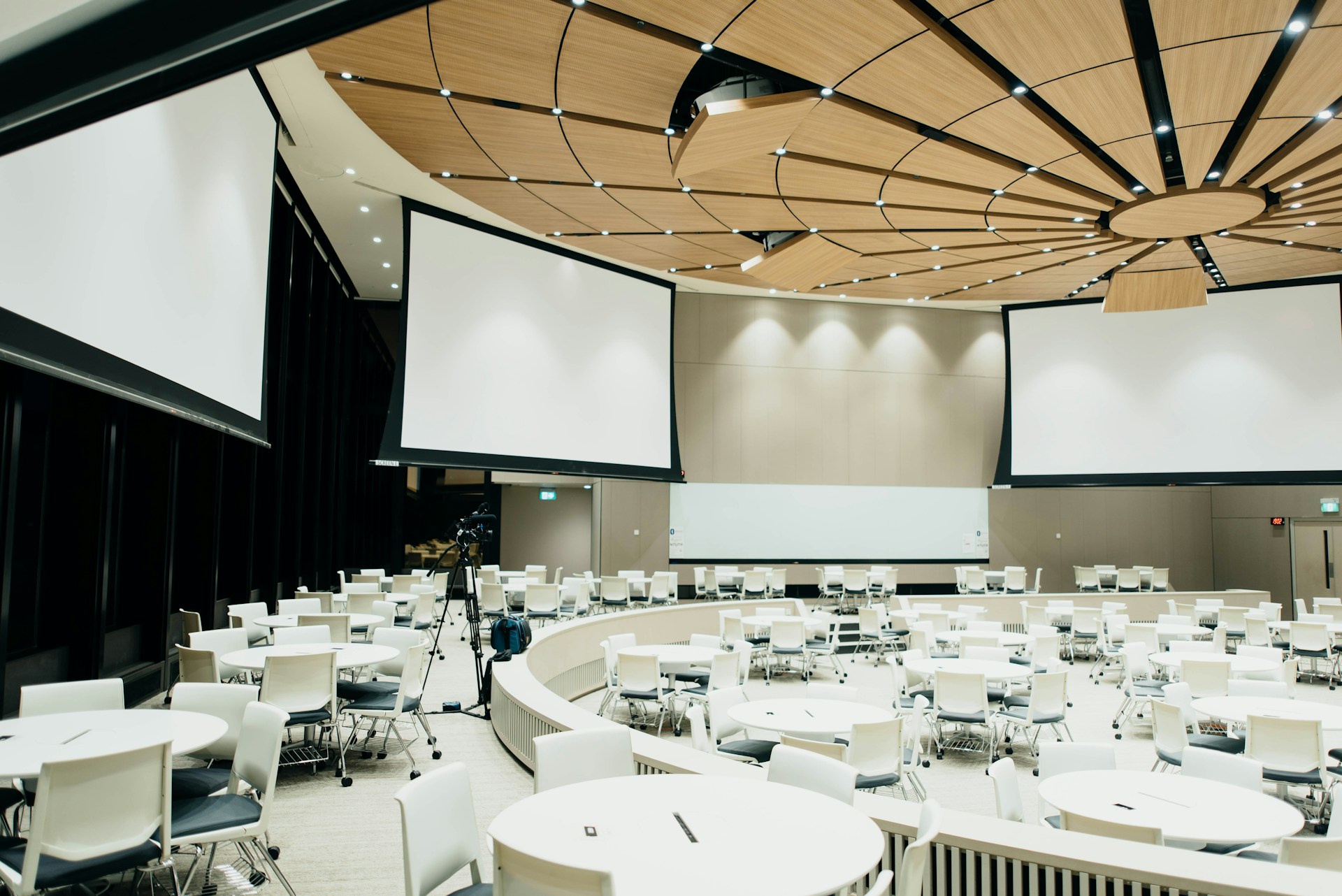
Then think through the flow of the day. Is there a team available to help set up without you having to bring in outside vendors? Are tech systems already in place and tested? If all the tools, mics, projectors, and speakers are where they need to be, you save time and mental energy the moment you walk through the door.
Also check that the space works for more than one type of gathering. You might want a large room for the main event and a few quiet corners for small-group sessions. If you do not have to move the entire group to different floors or buildings, you will prevent a lot of delays and confusion.
Plan for Comfort in Cold Weather
Keeping people warm and comfortable makes them more likely to stay present and pay attention. Too cold, and people shut down. Too hot, and the room gets stuffy fast.
Before the event, ask about airflow and heating. Is it quiet? Will it run consistently without blowing straight on people’s heads? It takes just a few minutes to test, but it can make a big difference during longer meetings.
Make space at the front door for coats. Whether it is a coat check or a few racks, this keeps the meeting space less cluttered and gives people one less thing to manage. Wet jackets and boots tracked through a venue can really wear down the mood.
It is also a good season to offer small comforts. Hot coffee, tea, or cider between sessions go a long way. If snacks are part of your plan, small winter-friendly options like warm cookies or baked wraps give it a little extra.
Simplify the Schedule to Avoid Overload
When teams already feel stretched, packing too much into one meeting day can do more harm than good. Late winter is often a reset period for many companies, so it is best to keep things straightforward and efficient.
Here is a helpful way to simplify things for Norwalk, CT, corporate events in late February and early March:
• Start with a simple printed agenda or schedule board at the entrance that outlines the day plainly
• Group activities together so people are not jumping from strategy sessions to team-building games without time to shift gears
• Build in short breaks where nothing is required, just space to recharge before the next session
If people can follow along without asking what is next, the whole event runs more smoothly. Clear markers around the venue for bathrooms, break areas, and session zones help too, especially when timing is tight.
Prep Your Team So Everyone Stays on Track
Planning starts before the guests even arrive. One of the best ways we have found to cut down on surprises is to huddle with your team the day before.
Quick run-throughs help everyone know what is going on, who is doing what, and how to deal with anything unexpected. This is not about managing each piece to perfection; it is about understanding the flow and being ready to adjust when needed.
We try to keep important things in easy reach. That includes handouts, name tags, power cords, snack trays, whatever is part of the plan. Having backup supplies can prevent small hiccups from growing into bigger delays.
Make sure your team can talk to each other throughout the day without causing a scene. That might be group texts, walkies, or just designating spots to check in. Smooth behind-the-scenes communication keeps everything feeling calm from the guest side.
Keep Things Easy So Teams Can Focus
A clear, low-stress event gives people time to think, connect, and actually enjoy being in the room. That kind of focus does not come from flashy bells and whistles. It comes from simple planning that puts the attention on people, not complications.
A workable schedule, warm space, and flexible support hold more value than most extra features. When an event feels comfortable and well-paced, it encourages better conversations and stronger takeaways.
If we can take something off the attendee’s plate, whether it is guessing where to go next or worrying about parking, we have already made the experience easier. That ease sets the tone and helps the room breathe.
Whether the goal is planning, reflection, or team building, the work does not have to be stressful. It just needs space to happen. With the right pieces in place, corporate events do not have to feel like another chore on the calendar. They can be one of the more successful and relaxed days of the season.
Planning late-winter sessions like team meetings or leadership retreats requires a venue built for convenience and comfort. At LaKota Oaks, we have hosted all kinds of professional gatherings and know how important it is to have smooth logistics and enough space to get real work done. Whether you are looking for space to recharge or reconnect, we make it easier for you to focus on what matters. To see how we support well-planned Norwalk, CT corporate events, give us a call today.